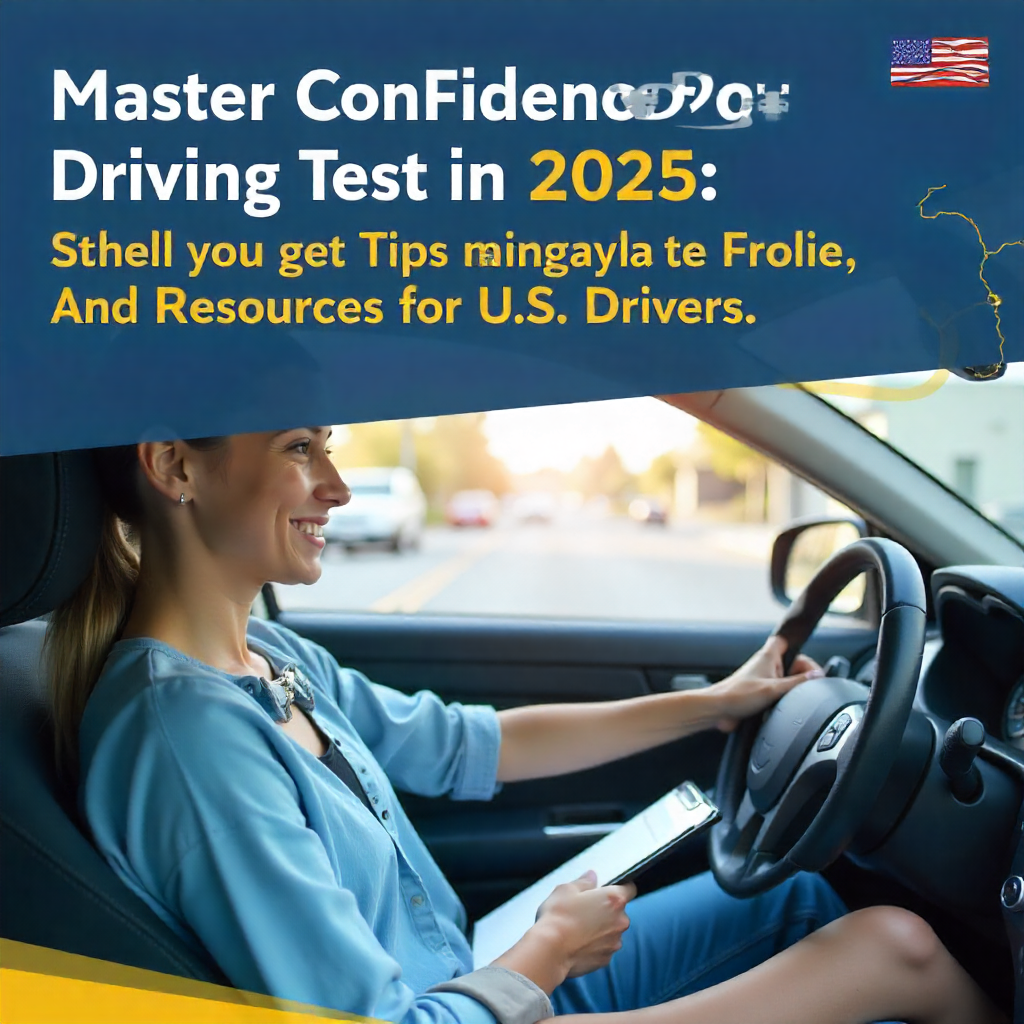
Master Your Driving Test in 2025: Tips, Rules, and Resources for U.S. Drivers
1. Understand the 2025 Driving Test Format
Each U.S. state has its own Department of Motor Vehicles (DMV) requirements, but most follow a similar structure:
- Written (Knowledge) Test: Covers road signs, rules, and safe driving practices.
- Vision Test: Ensures you meet the minimum eyesight requirements.
- Road Test: Evaluates your ability to drive safely and follow traffic laws in real-world conditions.
In 2025, many DMVs now use digital written tests that can be taken on tablets or computers. Some states even allow online knowledge testing before your in-person appointment.
2. Study the Updated DMV Handbook
The DMV Driver’s Handbook is your best friend. Each state updates its version annually with new laws and test questions.
- Download the latest edition from your state’s DMV website.
- Focus on road signs, right-of-way rules, and new safety technologies like electric vehicle charging lanes or automated braking zones.
- Use practice apps or websites like DMV Genie or Driving-Tests.org for realistic quizzes.
3. Schedule Your Test Early
Due to high demand, some states have long waiting times for driving tests, especially in big cities.
- Book your test at least 4–6 weeks in advance.
- Choose morning slots when examiners are more alert and traffic is lighter.
- Arrive 15–20 minutes early with all required documents (learner’s permit, insurance, registration, and proof of identity).
4. Master Common Road Test Skills
Examiners focus on your ability to stay calm and follow safe driving habits. Practice these key skills regularly:
- Parallel parking and three-point turns
- Smooth lane changes using mirrors and signals
- Stopping completely at stop signs
- Checking blind spots before merging or backing up
- Maintaining safe following distance (the “3-second rule”)
Tip: If possible, take a few professional driving lessons before the exam to correct bad habits.
5. Know the New 2025 Driving Rules
In 2025, several states have introduced updated traffic laws to enhance safety:
- Hands-free rules: Stricter penalties for phone use while driving.
- EV lane signs: Designated lanes for electric or hybrid vehicles in some areas.
- Speeding cameras: More cities now use automated systems for speed enforcement.
- AI dash cams: Some states allow AI-assisted dash cams to monitor teen or new drivers for safety.
Keep up with your state’s regulations through the DMV or Department of Transportation website.
6. Use Simulation and Practice Tools
If you’re nervous about the test, try driving simulators or online mock exams. These tools help build confidence and muscle memory.
Apps like Aceable and DriversEd.com offer 3D simulations that mimic real-world traffic situations.
7. What to Do on Test Day
Your mindset matters. Here’s a quick checklist:
- Sleep well the night before.
- Eat light to stay focused.
- Check your car: lights, brakes, mirrors, and turn signals should work properly.
- Stay calm: If you make a small mistake, don’t panic. Keep driving safely.
The examiner wants to see that you can drive responsibly—not perfectly.
8. After You Pass
Congratulations! Once you pass your test:
- You’ll receive a temporary paper license, followed by your physical card in the mail.
- Practice defensive driving daily.
- Consider taking an advanced driving course to lower your insurance premium.
If you didn’t pass, don’t worry. Most states let you retake the test after a short waiting period—use that time to practice weak areas.
Final Thoughts
Passing your driving test in 2025 is about preparation, confidence, and awareness of new driving standards. With updated rules, digital tools, and online study materials, learning to drive safely has never been more accessible. Stay patient, practice regularly, and soon you’ll be driving independently across the U.S.