
Our Preschool Worksheets for ages 3–4 include alphabet tracing, numbers 1–10, shapes, colors, matching, sorting, fine motor practice and early pre-writing skills. These free printable worksheets are easy to use and teacher-approved, making them perfect for home learning or classroom activities. For continued learning, explore our Kindergarten Worksheets and Free Printable Worksheets collections.

Alphabet (A–Z)
26-page workbook: uppercase, lowercase tracing, beginning sounds & cartoon illustrations.
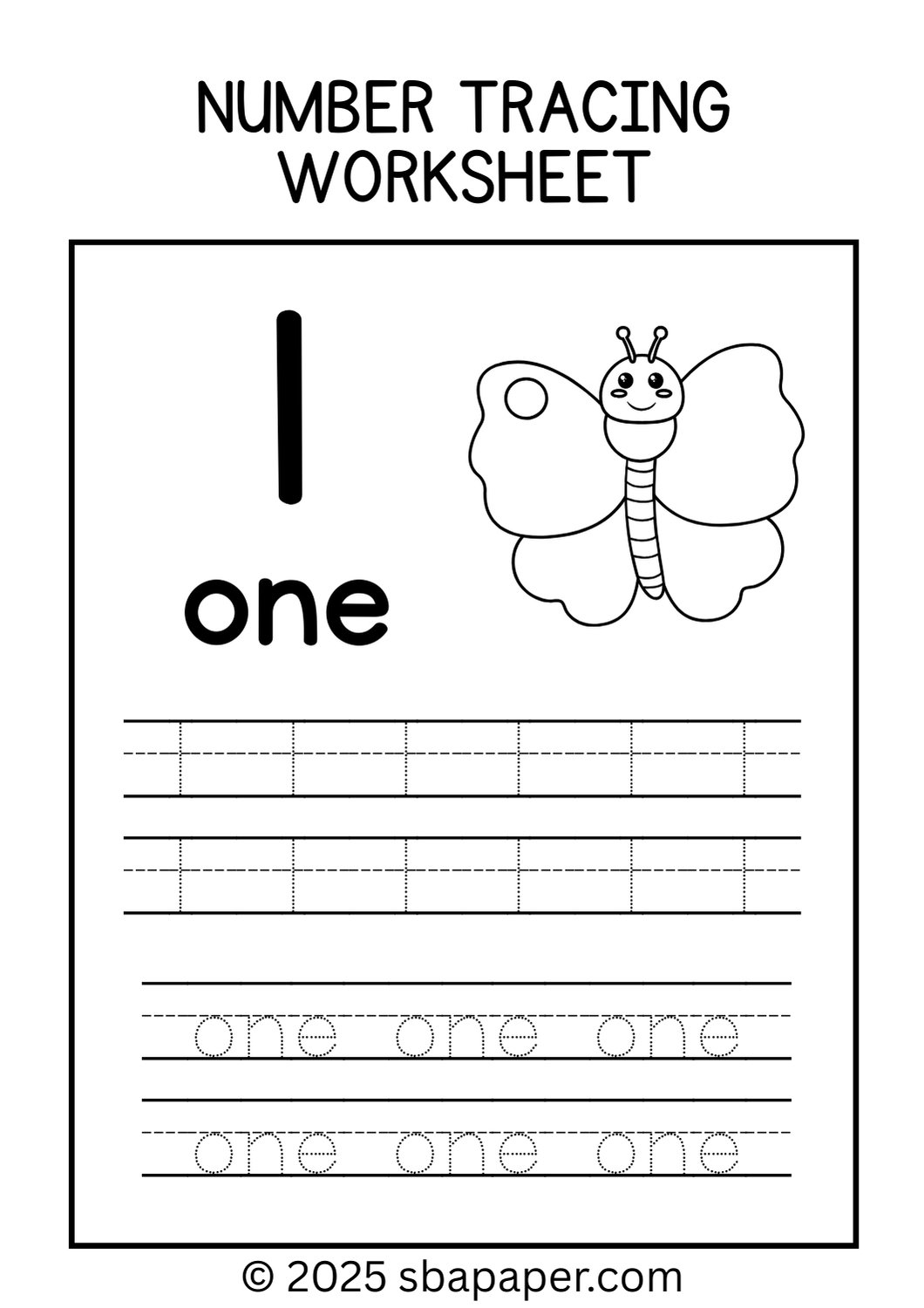
Numbers (1–10)
10-page tracing pack: number formation, counting objects & handwriting practice.
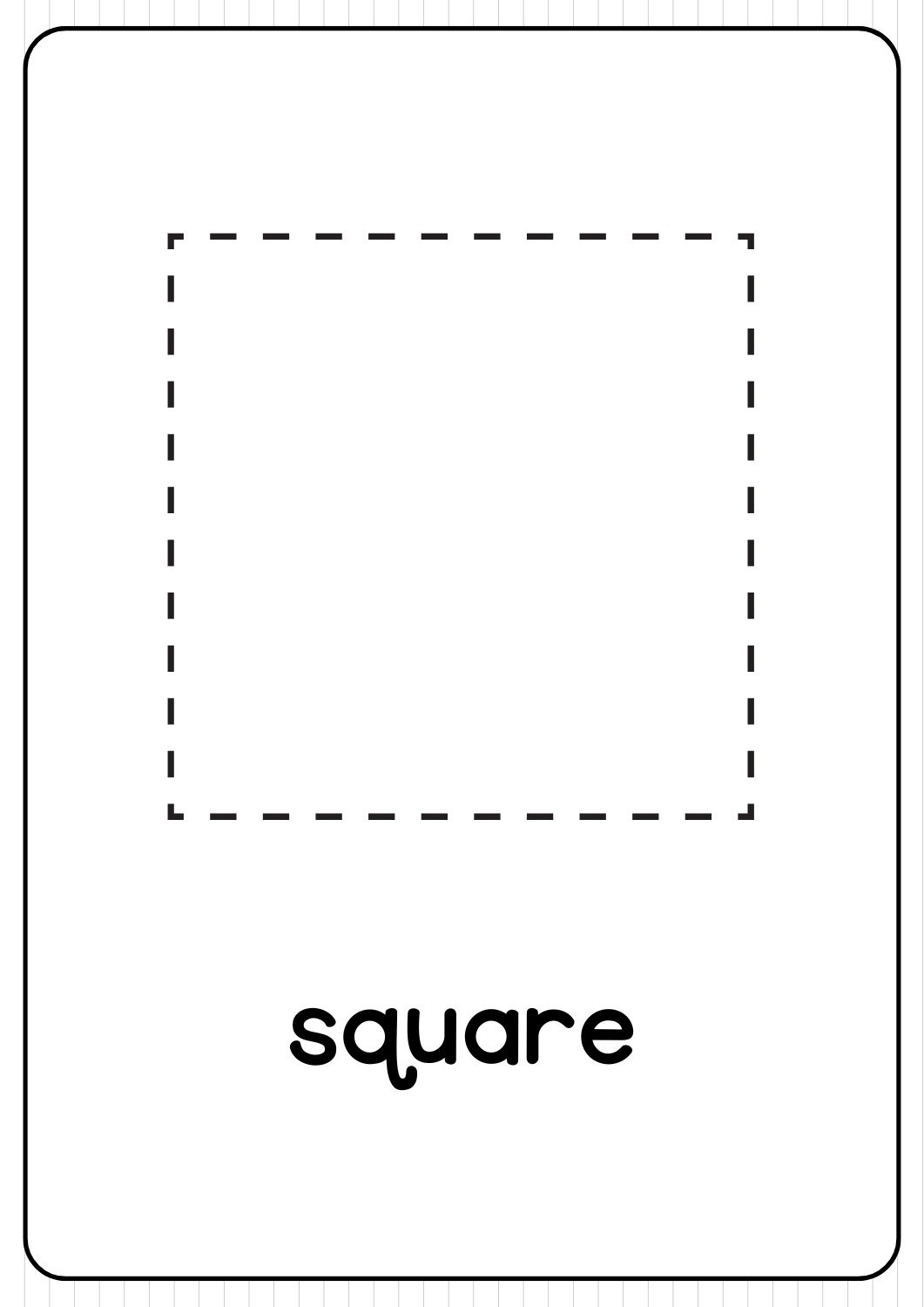
Shapes
6-page shapes workbook: circle, square, triangle, rectangle, oval & star tracing.

Colors
1 page color workbook: color recognition, color-matching & simple coloring tasks.
Tracing & Pre-Writing
10-page pre-writing pack: lines, curves, zigzags & pencil control exercises.
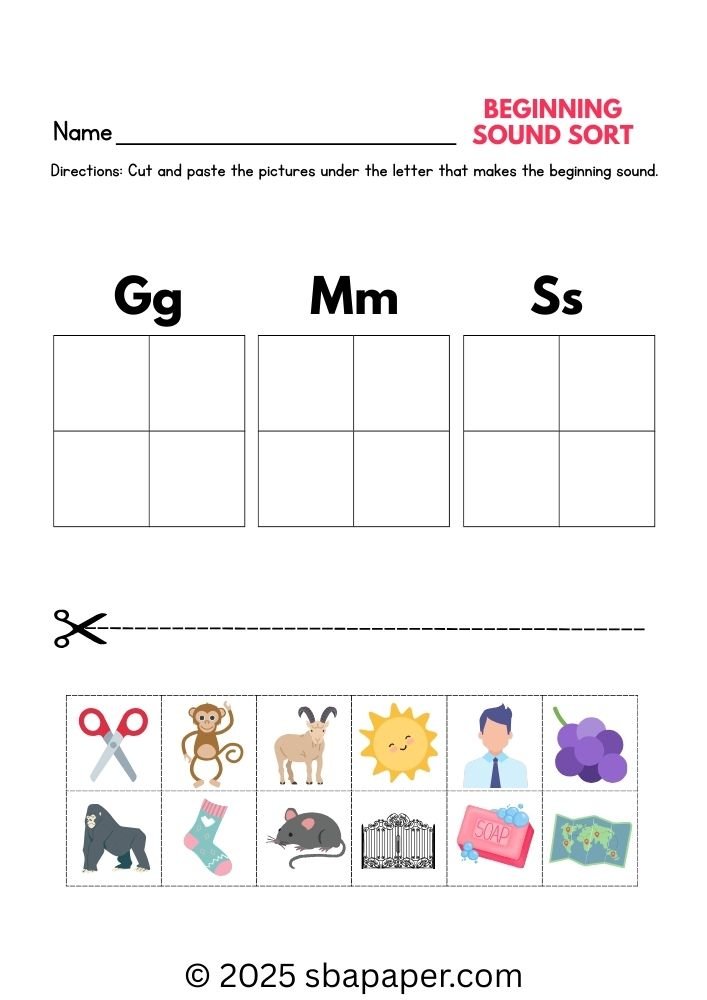
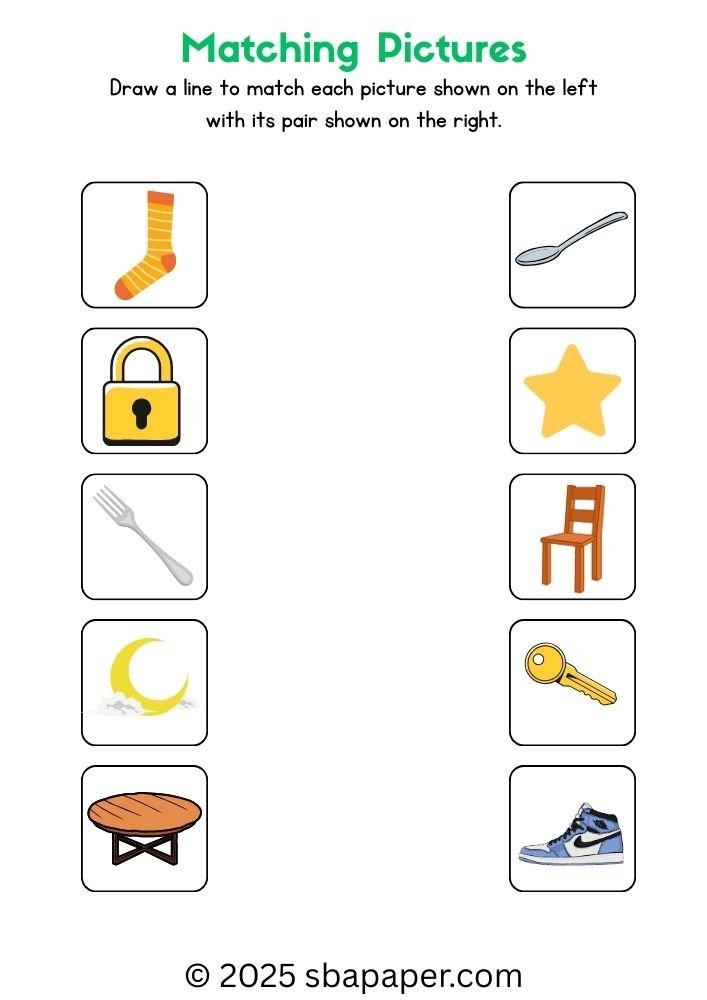
Matching Worksheets
Match pictures, letters, shapes — improves memory & early reasoning.

Sorting Worksheets
Big vs small, same vs different, color sorting — early classification skills.

Patterns
AB, AAB, shape & color patterns — sequencing skills for early learners.
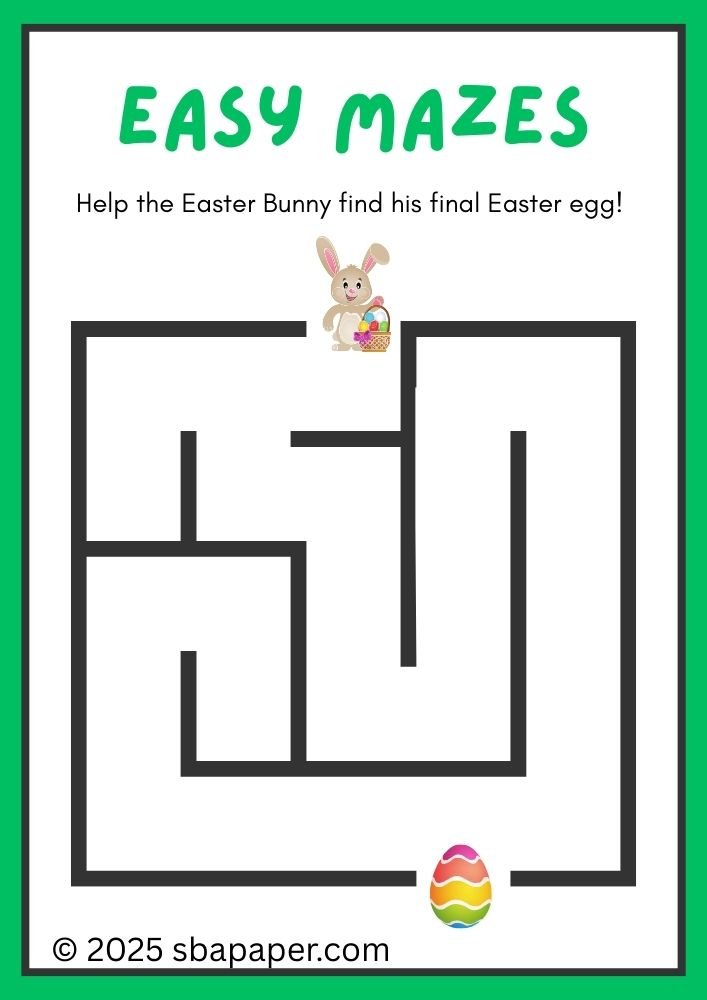
Simple Mazes
Fun easy mazes to build focus, direction-following & problem-solving skills.
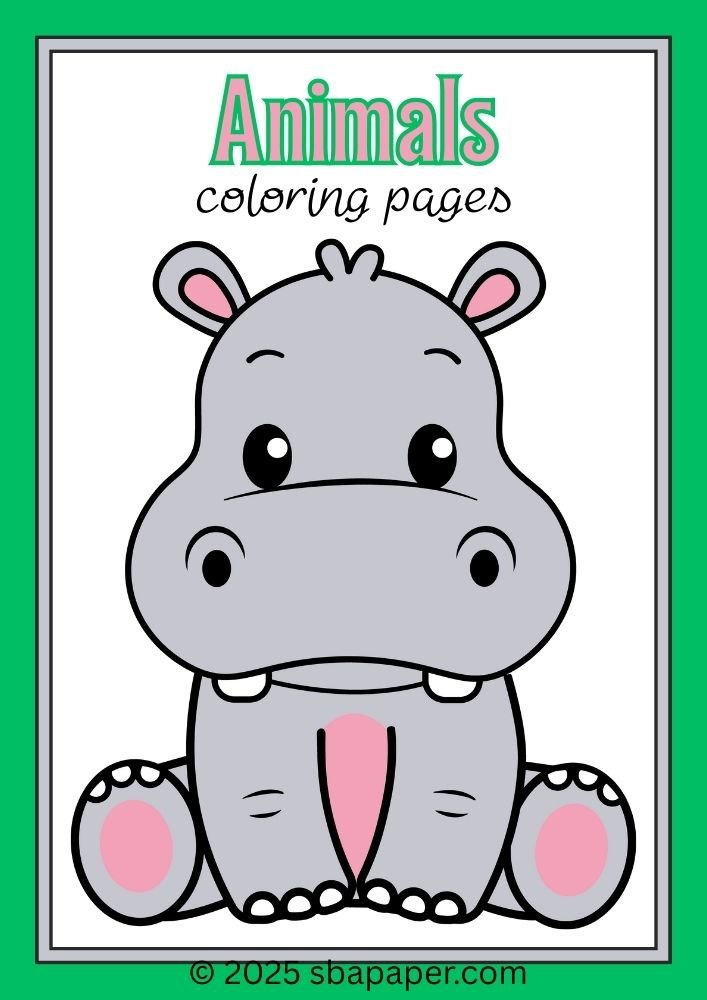
Coloring Pages
Thick-outline coloring pages: simple animals, fruits & cute objects.
Benefits of Using Preschool Worksheets
Preschool worksheets give children early exposure to handwriting, counting, shape recognition and problem-solving in a fun and structured format. According to early-learning experts at Education.com, tracing and hands-on activities help build strong foundations for early reading and math readiness.
Key benefits:
- Improves early handwriting & pencil control
- Builds alphabet & number recognition
- Strengthens fine-motor development
- Helps with focus and early problem-solving
- Supports smooth transition to Kindergarten
Skills Your Child Will Learn
These worksheets cover essential preschool skills:
- Tracing uppercase & lowercase letters
- Number formation & early counting
- Recognizing shapes & colors
- Matching and sorting objects
- Fine motor skill development
- Early logic (mazes & patterns)
- Beginning sounds (Alphabet A–Z)
This variety ensures balanced early-childhood learning across literacy, math and motor domains.
A simple step-by-step guide for helping preschoolers (ages 3–4) use tracing, counting, shapes and fine-motor worksheets effectively.
Step 1 — Print the worksheets
Print the pages in US Letter or A4 size for best clarity.
Step 2 — Start with tracing lines
Begin with simple line-tracing worksheets to build pencil control.
Step 3 — Practice alphabet A–Z
Introduce uppercase and lowercase tracing one letter per day.
Step 4 — Practice numbers 1–10
Use number worksheets to learn counting and number formation.
Step 5 — Introduce shapes & colors
Help your child recognize basic shapes and primary colors.
Step 6 — Add matching & sorting activities
Use matching and sorting worksheets to build logic and early reasoning.
Step 7 — Use mazes & patterns for focus
Simple mazes and patterns improve attention and problem-solving.
Step 8 — Finish with coloring pages
Coloring pages keep learning fun and develop hand strength.
Are these preschool worksheets free?
Yes, all Preschool Worksheets on this page are completely free to download and print.
What age group are these worksheets designed for?
These worksheets are ideal for children ages 3–4, making them perfect for Preschool and Pre-K learners.
Can teachers use these worksheets in the classroom?
Yes, teachers can freely use these worksheets for group lessons, centers, homework or skill-building activities.
Do you offer A–Z alphabet tracing worksheets?
Yes, we provide a full A–Z Alphabet Tracing Pack with uppercase, lowercase and pictures for each letter.
Do I need special paper to print these worksheets?
No, regular A4 or US Letter printer paper is perfect.
How should I introduce these worksheets to a preschooler?
Start with easy tracing lines, then move on to alphabet, numbers, shapes and matching worksheets.